My Holland

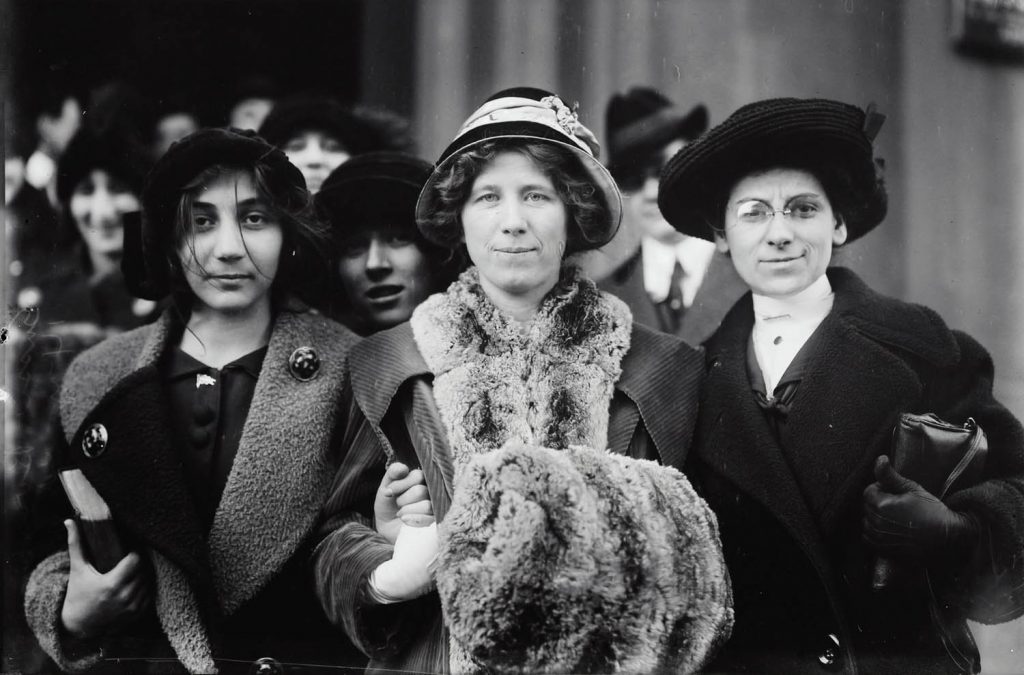
Women Stay Mentally Sharp Longer Than Men

Before you guys start ganging up on me, take a look at what the experts have found out about the subject in several studies. Scientists have observed that women who are generally healthy have a “metabolic brain age” that is consistently younger than men of the same chronological age. What this finding indicates is that the changes and variations that occur when the brain uses energy over a person’s lifetime actually proceed more gradually in women than they do in men. While the research guys are clueless as to its medical consequences and implications, they say that this may help explain why, mentally, healthy females tend to stay sharp longer than males, Marcus Raichle, a neurobiologist at Washington University School of Medicine in St. Louis, says … brain metabolism changes with age. But his group of researchers also noticed that these changes boiled down to gender. In other words, when they started looking into how brain metabolism predicts a person’s age, the women came out looking about four years younger than they really are. How did they do it? – What the scientists did was to apply a brain-scanning approach called “Position Emission Tomography”.  It measured the flow of oxygen and glucose to the brains of one hundred twenty-one (121) women and eighty-four (84) men aged 20-82. This scanning technique showed how sugar was being converted into energy in the various parts of the respondents’ brains.  In infants and young kids, this process known as Aerobic Glycolysis is increased by nature to grow and develop the children’s brains.  This is scaled down however as they become adolescents and young men and women and it goes down steadily till it reaches a real low level when they reach their sixties. To see how this brain metabolism differed between the sexes, the researchers used a computer algorithm leading to the prediction of the respondents’ ages using their brain scans. So, what came out? The program estimated the men’s ages accurately. But it showed the women’s brains, on average, to be three-point eight (3.8) years younger than their real ages. Medically, the researches don’t know exactly what this means and intend to pursue further research on the subject. For now, they can only speculate that perhaps, low glucose metabolism in certain parts of the brain becomes more prone to memory loss and neurodegenerative diseases as a person gets older.

Women Stay Mentally Sharp Longer Than Men Read More »

Brave Leadership

You have heard of brave leaders. But have you heard of the BRAVE model of leadership? There are many variations of this style. However, these share common traits. First, what is BRAVE leadership? You might be thinking of the literal meaning of the word. Of course, leaders should show courage, especially when facing uncertainties now.  However, I’m sure you’re aware being fearless isn’t enough. So, here’s what BRAVE stands for. Behaviors It begins with your character. Your words and actions reveal the kind of leader you are. Do you inspire and motivate? Because these are the effects of a BRAVE leader. Those who instill fear when leading may get the job done. But, their employees will resent them eventually.A leader’s behavior impacts followers. When faced with challenges, people look up to their leaders for strength and guidance. Be the example of what you expect from those who follow you. You set the pace in how you want your organization to move forward. Relationships Successful leaders create ties with their subordinates. But, they don’t need to be a friend to everyone. What is required is to have trusting relationships. Trust is the key to having strong connections with people.As a leader, build rapport that encourages open communication. Your followers may not see you every day. But, if you communicate with them often, directly or indirectly, you strengthen your relationship with them. Attitude According to this, attitudes are beliefs and emotions towards people, things, or events. These are usually the result of upbringing and experience. Attitudes affect behavior.   But, keep in mind, attitudes can also change.First, do you have the right attitude when you face the future?  People seek authenticity from their leaders. Your behavior will expose your attitude. If you show the right ones, people will follow you wholeheartedly. Values Do you epitomize what your organization represents? What matters to your followers? BRAVE leaders personify the mission and vision of their organizations. These are what makes them rise above the rest.As a leader, you can also redefine values that will drive your organization in new directions. It’s common now in the face of uncertainties that companies have reinvented themselves. This might also be the key to your success. Environment BRAVE leaders are aware of their skills and abilities. Likewise, they grasp where they can be more effective. They understand their environment and act accordingly.As a leader, you need to be aware if you’re fit for the job. This is not understating your abilities. You may have been successful in one field or industry. But, this doesn’t mean you’ll achieve the same success in others.

Brave Leadership Read More »

Handle Stress with Emotional Agility

You’ve read tons of articles on stress. These days, who isn’t under pressure? Even kids at stuck at home because of COVID-19 are having difficulties coping. You’ve also heard of advice on handling stress. But, have you heard about emotional agility that may be the solution to managing stress nowadays? So, what’s emotional agility?  It’s a concept popularized by Susan David, PH.D., a Harvard University Psychologist. Here’s her definition: “Emotional agility is an individual’s ability to experience their thoughts and emotions and events in a way that doesn’t drive them in negative ways, but instead encourages them to reveal the best of themselves.” Knowing Good and Bad Stress People commonly refer to stress as something unpleasant. So you often hear them complain about how it’s making life more difficult for them. But, stress can be good. Take performers and athletes, for instance. Before they go on stage or enter the arena, they feel stress. But, it’s this “feeling” that gets them ready for their challenges. So, they practice, innovate and improve well before their performance. Closer to home, people don’t talk about stress before a job interview, a first date or entering a contest. Activities people look forward to wouldn’t be described as stressful. Exciting is the more appropriate word to classify these. “Bad” stress impacts people negatively. It’s relative, though.  A chore or an event can upset a person but not another.  “Bad” stress can increase blood pressure and cause headaches.  Also, these cause negative feelings. Practice emotional agility When someone or something stresses you, self-diagnose for the reasons. Are you sad, angry or afraid? Zeroing on the emotions that cause stress will help relieve you of this. For instance, you may be mad at certain people, so every time you see them, you’re stressed out. Dig deeper and you might discover the source of your anger. You might be angry because you’re holding grudges. Also, you can be stressed because you’re fearful of failure. Addressing your fear is already half the battle won. Completing tasks can be stressful. For instance, many are stressed going to work because they don’t realize they dislike their jobs. Often, there are some things they are not fond of doing.  So, they get upset. But once, they recognize the source of their stress, they can either look for other options or talk to their bosses. Maybe, they’ll be assigned to other tasks. There are more instances, where you can apply emotional agility. This requires you to analyze the core reasons that stress you. Life will never be stress-free.  But, you make it a bit easier by relieving yourself of unnecessary stresses.

Handle Stress with Emotional Agility Read More »

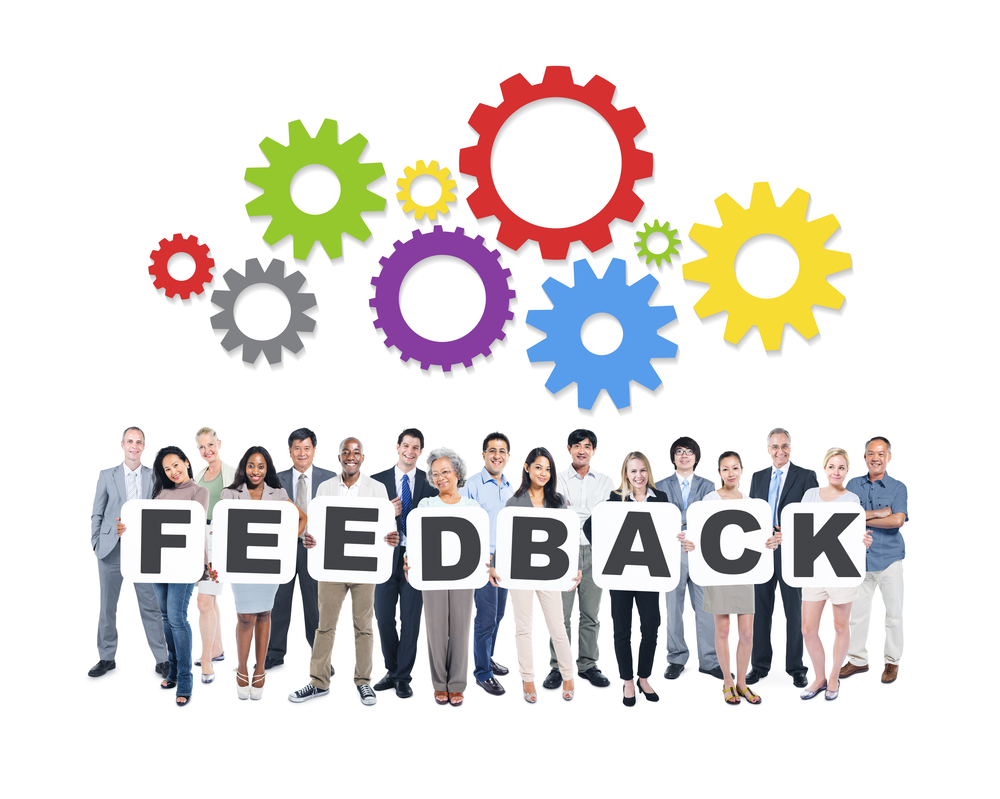
There’s a Better Way to Give Negative Feedback

It’s tough telling people they did wrong. It’s harder when they aren’t doing enough. We hope we’ll get our point across but wonder how to soften the blow. Sometimes, giving it straight is the right way. Other times, you have to take the longer route. It depends on who you’re speaking to. Leaders call their employees to offer constructive feedback. The problem is it doesn’t sound that way often.  The conversation turns into an argument, with both parties feeling angry and disappointed. It can get personal too. As the title suggests, there’s a better way. Or, if I may, there are other better ways. But, there’s no one-size-fits-all solution. So, let me explain the process. Practice Empathy. If you’re giving feedback, put yourself in the other person’s shoes. No two individuals are alike. Some people are receptive, while others are defensive. If you like preparing notes before your conversation, choose your words carefully. But never sugarcoat. Remember, you’re trying to get your point across. It might get lost in all that sugar. Begin with a compliment. What is the other person doing right? There is always something worth mentioning but, be specific. Oh, and don’t forget the small stuff because they add up. Praising encourages more good work.  Some leaders try to butter up the person across them before giving negative comments. I suggest you avoid flattery because it will fail. Address the deed and not the doer. Learn to separate the two. There’s a big difference between “You’re wrong” and “What you did was wrong.” Make sure you focus on the latter. Make this clear to the other person. Also, a good approach is to talk about the adverse effects of a person’s actions. Many people will insist what they’re doing is right. If they realize their actions cause harm, they’ll be more receptive to what you’re saying. Take time to listen. Now it’s time to listen to the other person’s side. You might discover parts of the story you didn’t know. A full grasp of the situation from the other person’s perspective can make a difference. Listening tells others you’re fair. You won’t pass judgment until you hear all sides. Instead of clamming up, people will be more open to having this “talk” with you.  In time, you’ll create an atmosphere responsive to feedback. Find solutions together. This is the most crucial part of the process. How can you affect change or solve a problem?  Well, maybe the answer can come from the person you’re talking to.  So, it would help if you asked for ideas or solutions. You can agree on the steps to take, which the other person can commit to.  When you ask people to participate, your talk becomes productive.  Don’t forget to express your support. With enough practice, you’ll develop your style of giving negative feedback.  Adopt an approach that focuses on the other person’s improvement and success.  Keep in mind that it’s always about their welfare.

There’s a Better Way to Give Negative Feedback Read More »

Introverts Can Be Excellent Leaders

When we think of leaders, we picture them as outgoing, charming, and friendly.  But did you know that introverts can be excellent leaders? Bill Gates, Mark Zuckerberg and Elon Musk are a few examples. I’ll bet you thought these world-renowned individuals were not. Try searching the web for the top qualities of great leaders. You’ll find trustworthiness, integrity, and empathy, among others. I haven’t seen a list that included charismatic or extroverted, though these may get politicians the votes to win an election. But, there’s no guarantee they’ll perform well as leaders. So, why we think introverts can become great leaders? Here are some facts about them you might not be aware of: They’re not shy. We often assume introverts are shy but, most of them aren’t. They spend time deep in thought, so they sometimes avoid others. But they aren’t uncomfortable when they’re in a crowd. Maybe they choose to be quiet. They’re not detached. Yes, introverts can be loners. Albert Einstein was considered one. He loved his solitude and spent much time in silent reflection.  Einstein had a family, so he wasn’t living alone. Being a loner isn’t necessarily bad. It doesn’t mean aloofness. Humans are social beings, but we need that time alone to recharge. Everybody needs that break away from everything. They’re secure people. Both extroverts and introverts can be insecure. Are you familiar with Johnny Carson? He is known as the “King of Late Night.” He exuded confidence and poise on television. But later on, he admitted he had insecurities in an interview. Introverts can have high self-esteem. People think they’re silent because they lack self-confidence. They’re not indecisive. You can say this about extroverts too. Introverts spend time weighing all options before making a decision. They don’t decide on impulse. Where would Microsoft or Facebook be now if Gates or Zuckerberg were indecisive? These companies wouldn’t be at the top. They are intelligent. It’s a mistake to assume talkative people are smart. Many think introverts are quiet because they have nothing to share. But sometimes, the people who talk more are those who know the least about a subject. Next time you’re in a discussion, ask the quiet ones for their opinions. You’ll be surprised to discover they’re brighter than others. They aren’t afraid of speaking before a crowd. Some of the best public speakers are introverts and they spend enough time preparing their speeches.  President Obama and Mahatma Gandhi are great examples. Conversely, I’ve seen extroverts freeze onstage. It’s the fear of being judged that can cause stage fright. All share that. So, when you meet an introvert, don’t stereotype. On the flip side, if you’re an introvert, keep your chin up. You’re in good company! I am an introvert and you?

Introverts Can Be Excellent Leaders Read More »

viTiếng Việt
Scroll to Top

Contact Us

Simply complete the form below and we’ll get in touch with you, normally within 24 hours.

Enter your email address to download the Retooling Your Mindset eBook!

You have successfully subscribed to the newsletter

There was an error while trying to send your request. Please try again.

EQuest Asia will use the information you provide on this form to be in touch with you and to provide updates and marketing.

Enter your email address to download A Brief Guide to Happier Workplaces eBook!

You have successfully subscribed to the newsletter

There was an error while trying to send your request. Please try again.

EQuest Asia will use the information you provide on this form to be in touch with you and to provide updates and marketing.

Enter your email address to download Take a burnout test!

You have successfully subscribed to the newsletter

There was an error while trying to send your request. Please try again.

EQuest Asia will use the information you provide on this form to be in touch with you and to provide updates and marketing.

Enter your email address to download the EQuest Asia Brochure!

You have successfully subscribed to the newsletter

There was an error while trying to send your request. Please try again.

EQuest Asia will use the information you provide on this form to be in touch with you and to provide updates and marketing.

Enter your email address to download your document!

You have successfully subscribed to the newsletter

There was an error while trying to send your request. Please try again.

EQuest Asia will use the information you provide on this form to be in touch with you and to provide updates and marketing.

Thank you for sign up! Enjoy your download.

Thank you for sign up! Enjoy your download.

Thank you for sign up! Enjoy your download.

Thank you for sign up! Enjoy your download.

Thank you for sign up! Enjoy your download.